

In a bizarre twist of realpolitik, Blackbeard sailed to Bath, North Carolina, and accepted a pardon from Governor Charles Eden under the King’s Act of Grace. He ostensibly retired. But retirement, for a man like Teach, was a charade. He moved his operations—and a significant portion of his ill-gotten wealth—to . Here, he established what can only be called a pirate depot: a semi-permanent camp where crews could carouse, supplies could be cached, and ships could be careened (beached on their sides for hull cleaning).
The point’s strategic value lay in its obscurity. From here, a pirate could watch the river’s throat. Vessels laden with tobacco, naval stores, and sugar from the West Indies had to pass this way en route to the Atlantic. Blackbeard could slip his sloops out of the marsh creeks, strike, and vanish back into the labyrinthine inlets before a militia could muster. The most vivid chapter of Blackbeard Point’s history unfolded between January and June of 1718. By then, Blackbeard was at the apex of his infamy. He had blockaded Charleston harbor, ransomed its citizens, and commanded a flotilla that included the formidable Queen Anne’s Revenge (a captured French slaver armed with 40 guns). But the noose was tightening. The Royal Navy was hunting him, and the colonies were clamoring for his head.
Along the sinuous, tannin-stained waterways of the American Southeast, where the salt marshes meet the mainland and the Spanish moss drips like spectral lace from ancient live oaks, lies a place where history refuses to stay buried. This is Blackbeard Point —a nondescript, low-lying promontory on the banks of the Cape Fear River in southeastern North Carolina, just upstream from the modern city of Wilmington. To the casual boater, it is merely a bend in the river; to the historian and the romantic, it is the last known terrestrial foothold of the Golden Age of Piracy’s most terrifying specter: Edward Teach , better known as Blackbeard. The Geography of a Hideout Blackbeard Point is not a dramatic cliff or a rocky headland. The Carolina coast is subtle, deceptive, and dangerous—qualities that made it a pirate’s paradise. The point is a marshy, forested elbow of land where the river narrows slightly, offering a natural layby deep enough to anchor a tall ship yet shielded from the prevailing winds. In the early 18th century, this was a no-man’s-land. The nearest settlement, Bath, was a day’s sail away, and the colonial authorities in Charleston were too distant to care.
When Blackbeard was killed on November 22, 1718, in a furious battle at Ocracoke Inlet (his severed head hung from the bowsprit of HMS Jane ), the secret of the point’s cache died with him. Treasure hunters have scoured the point for three centuries. In the 1930s, a local farmer claimed to have found a rusted iron box near the riverbank, but before he could open it, a sudden, inexplicable storm capsized his skiff, and the box sank into the muddy depths. He survived, but he never went back. Today, Blackbeard Point is privately owned, overgrown, and largely inaccessible to the public—a fact that has only deepened its mystique. Kayakers who paddle past at dusk report strange phenomena: the phantom smell of pipe smoke (Teach was rarely without his clay pipe), the distant sound of a shanty swallowed by the wind, and, on certain autumn nights when the water is like black glass, the faint, rhythmic glow of a lantern bobbing along the shore—the same signal Blackbeard’s lookouts used to guide in a prize ship.


In a bizarre twist of realpolitik, Blackbeard sailed to Bath, North Carolina, and accepted a pardon from Governor Charles Eden under the King’s Act of Grace. He ostensibly retired. But retirement, for a man like Teach, was a charade. He moved his operations—and a significant portion of his ill-gotten wealth—to . Here, he established what can only be called a pirate depot: a semi-permanent camp where crews could carouse, supplies could be cached, and ships could be careened (beached on their sides for hull cleaning).
The point’s strategic value lay in its obscurity. From here, a pirate could watch the river’s throat. Vessels laden with tobacco, naval stores, and sugar from the West Indies had to pass this way en route to the Atlantic. Blackbeard could slip his sloops out of the marsh creeks, strike, and vanish back into the labyrinthine inlets before a militia could muster. The most vivid chapter of Blackbeard Point’s history unfolded between January and June of 1718. By then, Blackbeard was at the apex of his infamy. He had blockaded Charleston harbor, ransomed its citizens, and commanded a flotilla that included the formidable Queen Anne’s Revenge (a captured French slaver armed with 40 guns). But the noose was tightening. The Royal Navy was hunting him, and the colonies were clamoring for his head.
Along the sinuous, tannin-stained waterways of the American Southeast, where the salt marshes meet the mainland and the Spanish moss drips like spectral lace from ancient live oaks, lies a place where history refuses to stay buried. This is Blackbeard Point —a nondescript, low-lying promontory on the banks of the Cape Fear River in southeastern North Carolina, just upstream from the modern city of Wilmington. To the casual boater, it is merely a bend in the river; to the historian and the romantic, it is the last known terrestrial foothold of the Golden Age of Piracy’s most terrifying specter: Edward Teach , better known as Blackbeard. The Geography of a Hideout Blackbeard Point is not a dramatic cliff or a rocky headland. The Carolina coast is subtle, deceptive, and dangerous—qualities that made it a pirate’s paradise. The point is a marshy, forested elbow of land where the river narrows slightly, offering a natural layby deep enough to anchor a tall ship yet shielded from the prevailing winds. In the early 18th century, this was a no-man’s-land. The nearest settlement, Bath, was a day’s sail away, and the colonial authorities in Charleston were too distant to care.
When Blackbeard was killed on November 22, 1718, in a furious battle at Ocracoke Inlet (his severed head hung from the bowsprit of HMS Jane ), the secret of the point’s cache died with him. Treasure hunters have scoured the point for three centuries. In the 1930s, a local farmer claimed to have found a rusted iron box near the riverbank, but before he could open it, a sudden, inexplicable storm capsized his skiff, and the box sank into the muddy depths. He survived, but he never went back. Today, Blackbeard Point is privately owned, overgrown, and largely inaccessible to the public—a fact that has only deepened its mystique. Kayakers who paddle past at dusk report strange phenomena: the phantom smell of pipe smoke (Teach was rarely without his clay pipe), the distant sound of a shanty swallowed by the wind, and, on certain autumn nights when the water is like black glass, the faint, rhythmic glow of a lantern bobbing along the shore—the same signal Blackbeard’s lookouts used to guide in a prize ship.
Ligeti and mathematics
The renowned mathematician Heinz-Otto Peitgen talks about his friendship with György Ligeti, the composer's interest in mathematics and the discoveries of chaos theory.

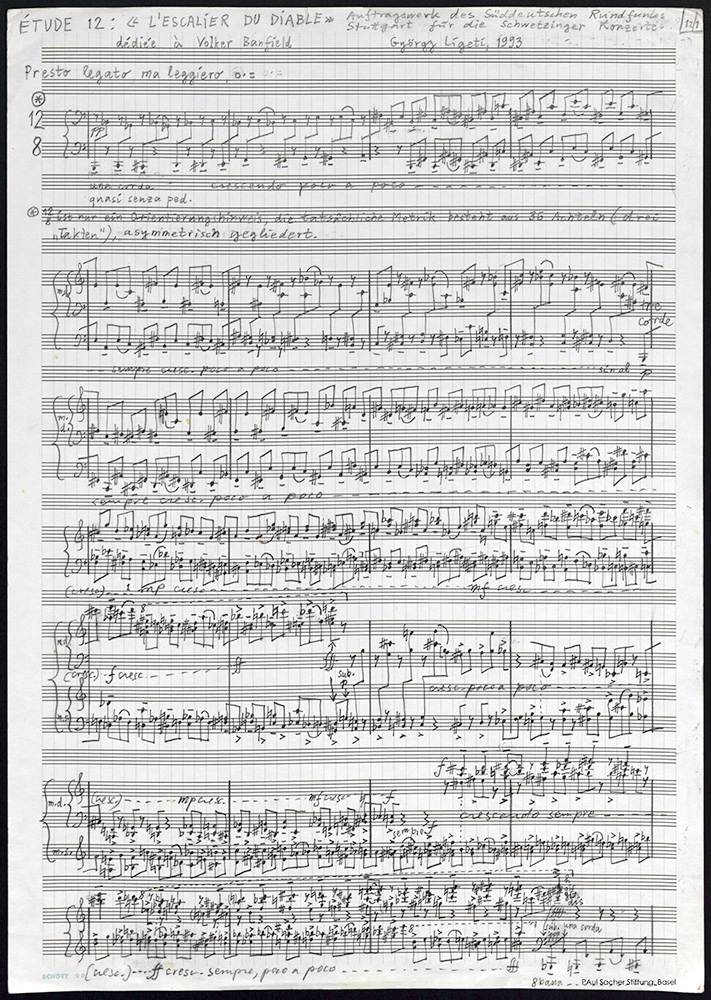
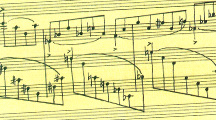
First page of the autograph fair score of L’escalier du diable (Paul Sacher Foundation, Basel).
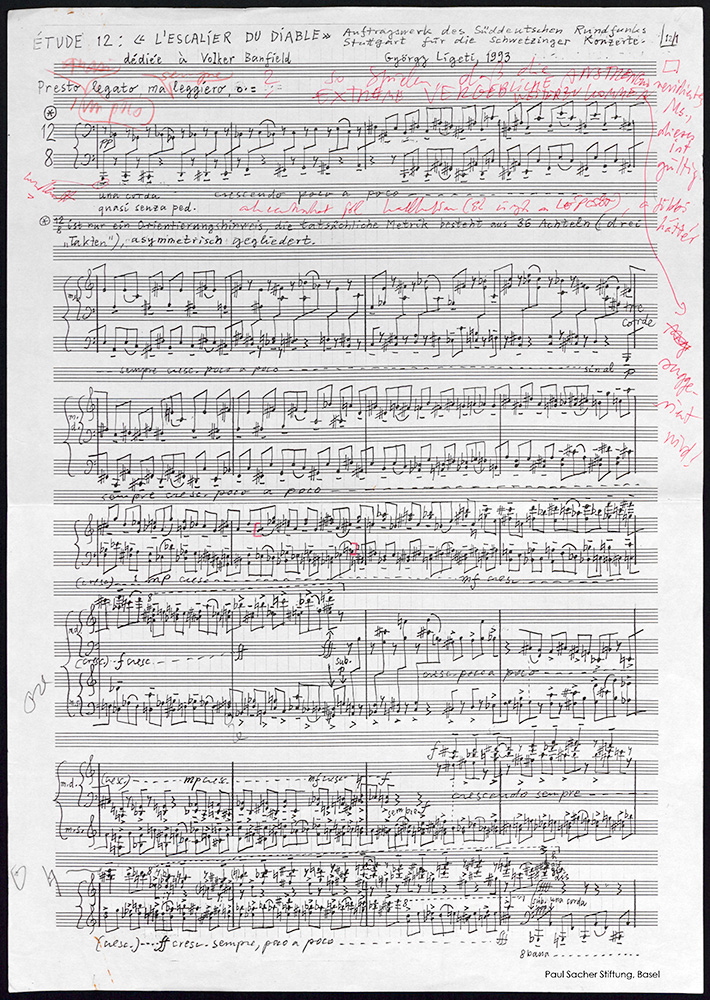
Copy of the autograph fair score of L'escalier du diable, with annotations by the composer, page 1 (detail), Paul Sacher Foundation, Basel. The inscription in the right-hand margin reads 'revised MS, this is authoritative'.
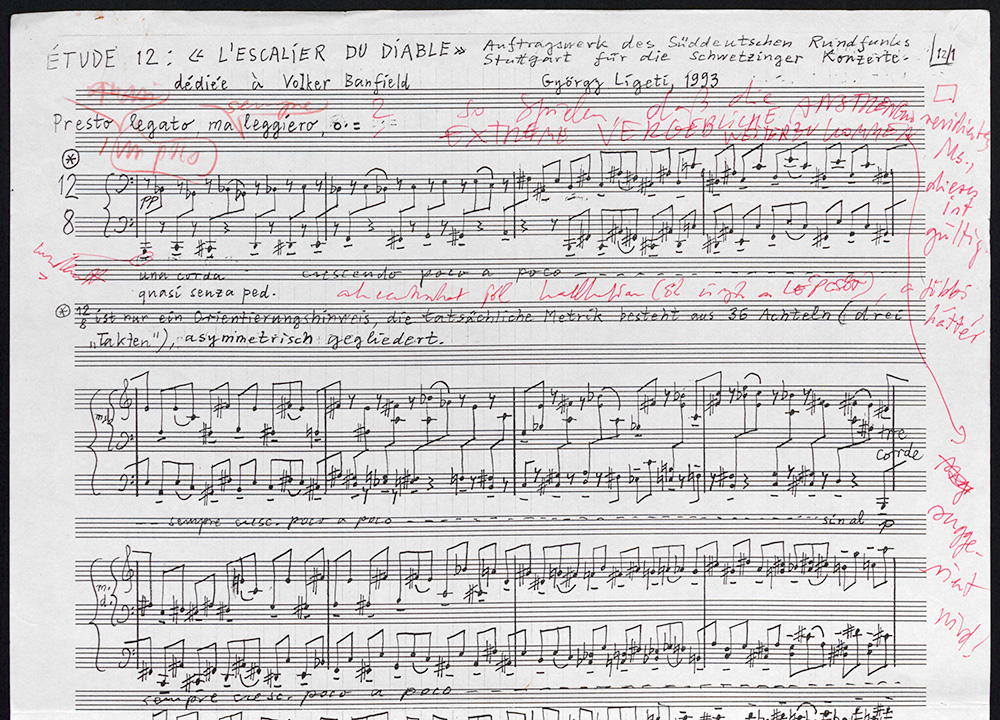
Copy of the autograph fair score of L'escalier du diable, with annotations by the composer, page 1 (detail), Paul Sacher Foundation, Basel. The inscription in the right-hand margin reads 'revised MS, this is authoritative'. blackbeard point
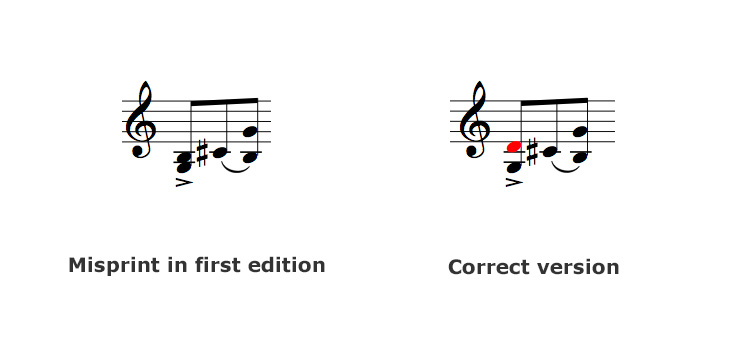
Bar 7-2: György Ligeti: Étude 13, bar 7/2, left hand, 9th – 11th quaver (eighth note)
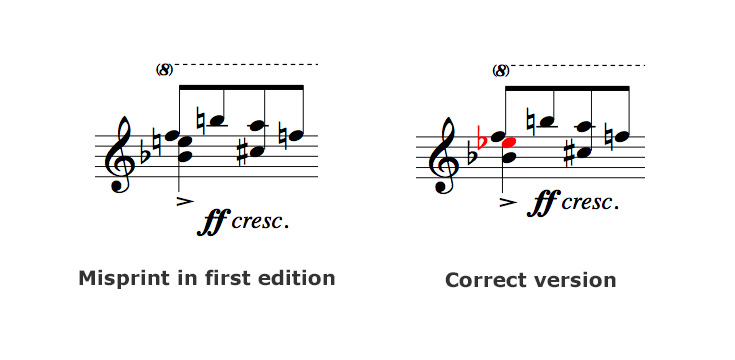
Bar 36-3: György Ligeti: Étude 13, bar 36/3, right hand, 9th – 12th quaver (eighth note) In a bizarre twist of realpolitik, Blackbeard sailed
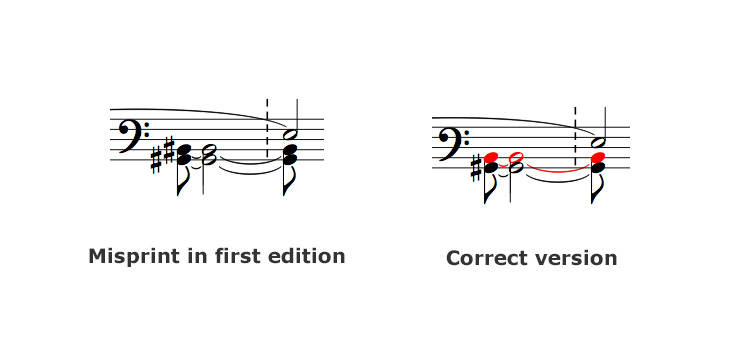
Bar 41: György Ligeti: Étude 13, bar 41/1, left hand, 8th – 12th quaver (eighth note)
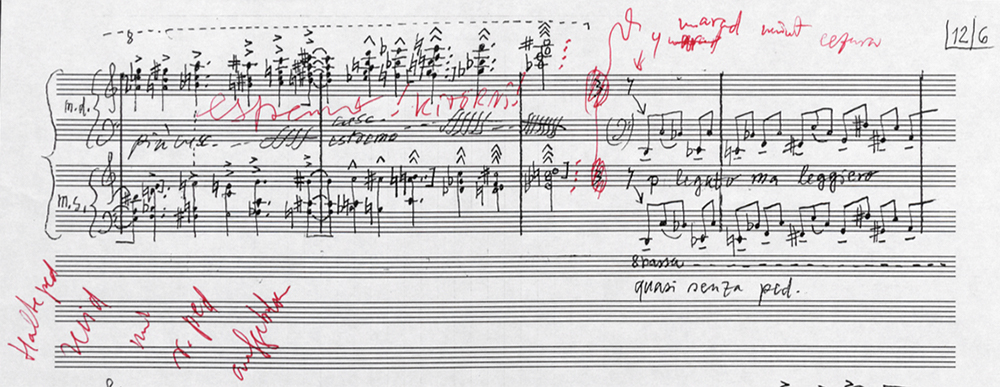
Copy of the autograph fair score of L’escalier du diable, with annotations by the composer, page 6 (detail), Paul Sacher Foundation, Basel. He moved his operations—and a significant portion of
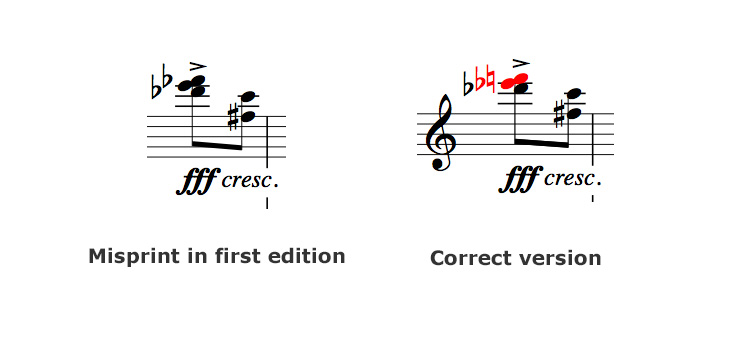
Bar 45-3: György Ligeti: Étude 13, bar 45/3, right hand, 11th – 12th quaver (eighth note)
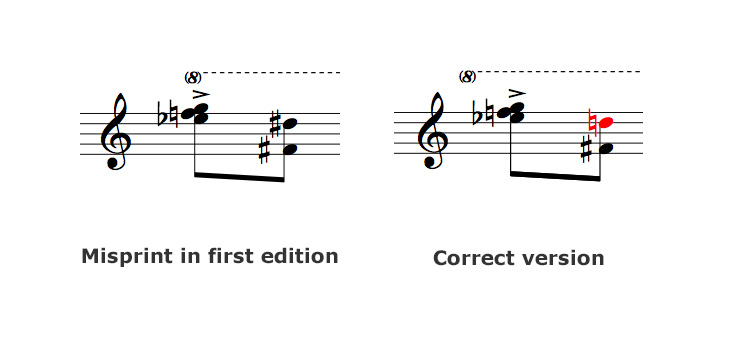
Bar 46-1a: György Ligeti: Étude 13, bar 46/1, right hand, 3th – 4th quaver (eighth note)
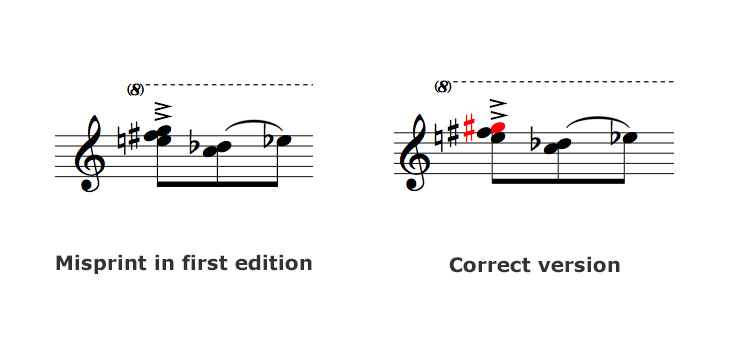
Bar 46-1b: György Ligeti: Étude 13, bar 46/1, right hand, 5th – 7th quaver (eighth note)