
The Best Traffic Bot and Website Automation Software
TrafficBotPro empowers you to effortlessly automate any web task and send mass traffic to websites with
ease





Earn money by clicking ads
on your website or beat
your competitors by
clicking their AD
automatically.


Join popular freelancing
platforms like Fiverr, Seo
Clerks and start selling
website traffic there and
make some money!
As CPUs grow more powerful with efficiency cores (Intel's P+E architecture, Apple's M-series), the role of companion x264 will likely expand, intelligently shunting encoding tasks to low-power cores while performance cores handle interactive work. The name may fade, but the concept – a silent, helpful encoding partner – is here to stay. This text is accurate as of the x264 r3100+ builds and common usage patterns up to 2026.
1. Introduction: What is "Companion x264"? "Companion x264" is not an official name for a specific software product, but rather a descriptive term that has emerged within video processing, streaming, and content creation communities. It refers to a secondary, background instance of the x264 video encoder running alongside a primary application (e.g., a game, a video editor, a live streaming software, or a media server).
| Feature | Standard x264 | Companion x264 | |--------|--------------|----------------| | | Normal or high | Idle / low (e.g., nice on Linux, IDLE_PRIORITY_CLASS on Windows) | | Thread usage | Aggressive (all logical cores) | Restricted (e.g., leaves 1–2 cores free for main app) | | Lookahead frames | Full (up to 250) | Reduced (e.g., 0–10) to lower latency & memory | | Rate control | 2-pass, CRF, or CBR | Often CBR or capped VBR for predictable load | | Input source | Pre-encoded file | Live frame buffer (e.g., from game or capture card) |
| Aspect | GPU Encoding (NVENC) | Companion x264 | |--------|----------------------|----------------| | | ~1–5% | 20–60% (but idle-priority) | | Quality per bitrate | Good (newer NVENC) | Excellent (can match 2x bitrate of GPU) | | Latency | Very low | Low to moderate | | Multi-instance | Limited (VRAM bottleneck) | Many (RAM-bound) | | Use case | Real-time streaming, recording | Background transcoding, high-quality archives |
TrafficBotPro is a software web automation software that allows you to hide and control your digital
fingerprint by spoofing all parameters that websites can see. By masking these settings, you can bypass
anti-fraud systems by impersonating your real internet identity.
It helps you create a large number of profiles, each with its own digital fingerprint. These profiles do not
overlap with each other, so the website cannot ban your account. This is useful for performing various tasks
on the Internet.
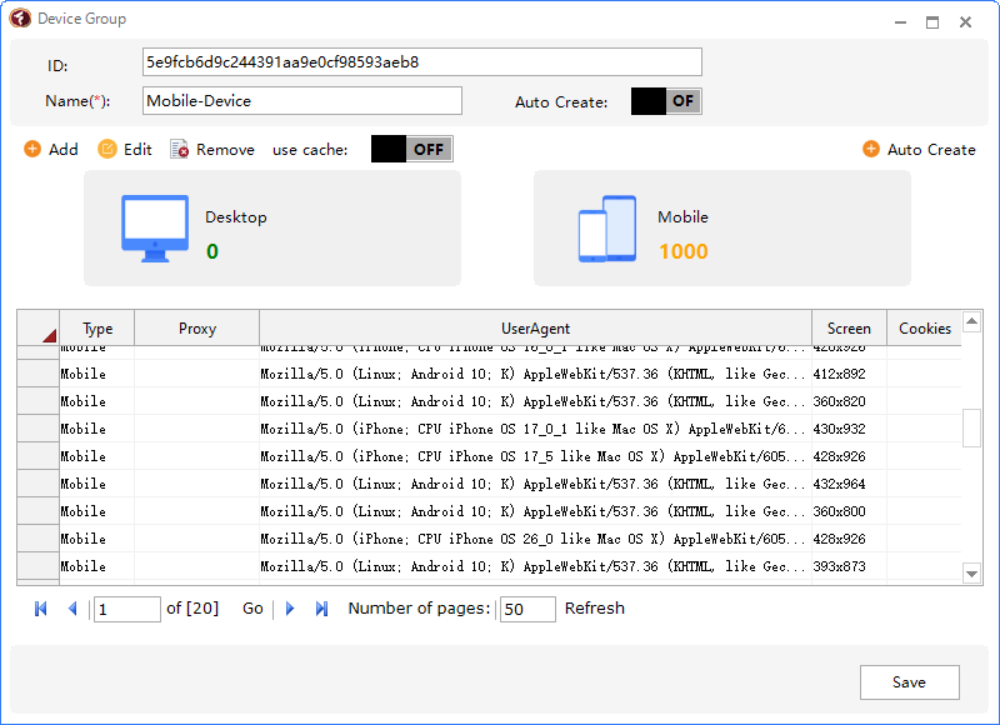
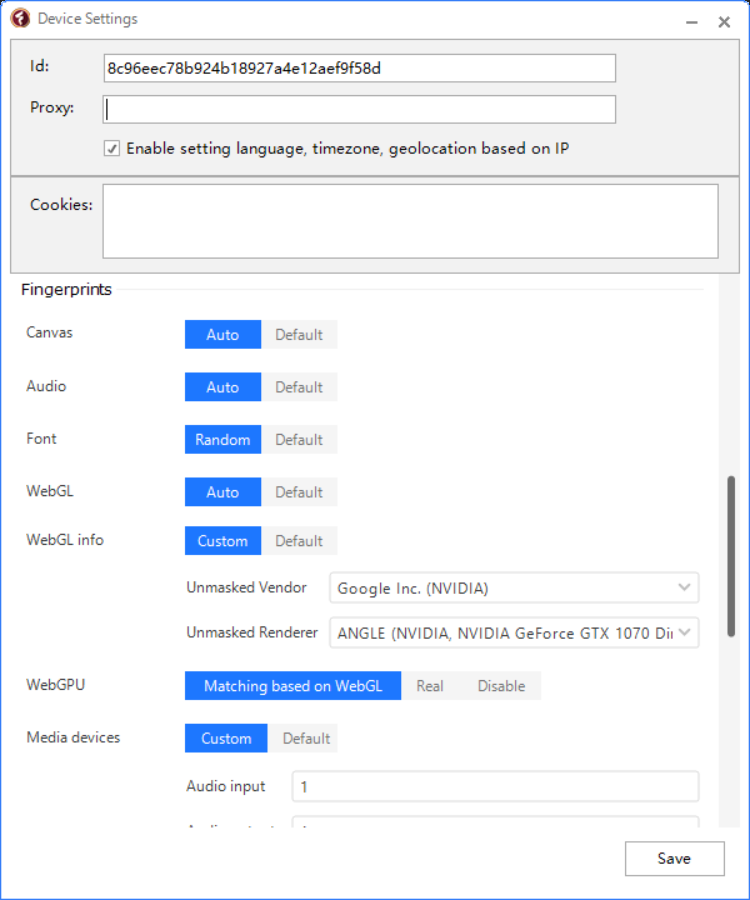
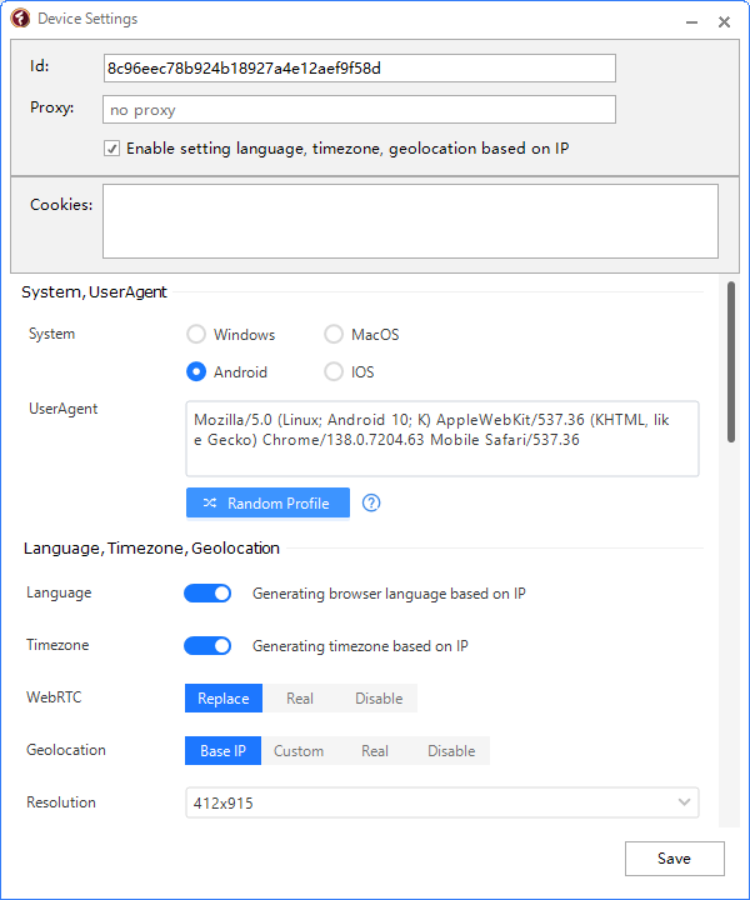
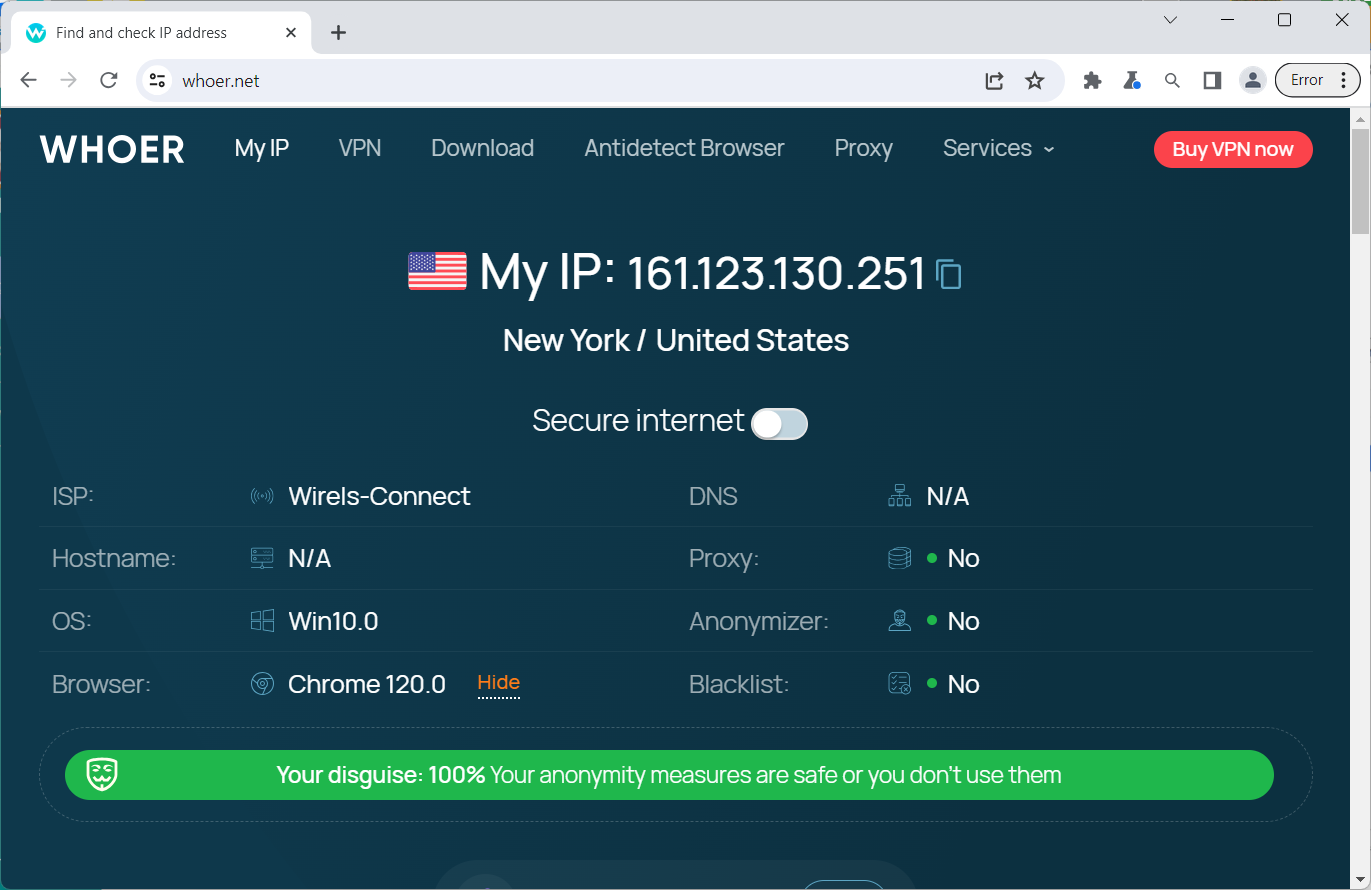
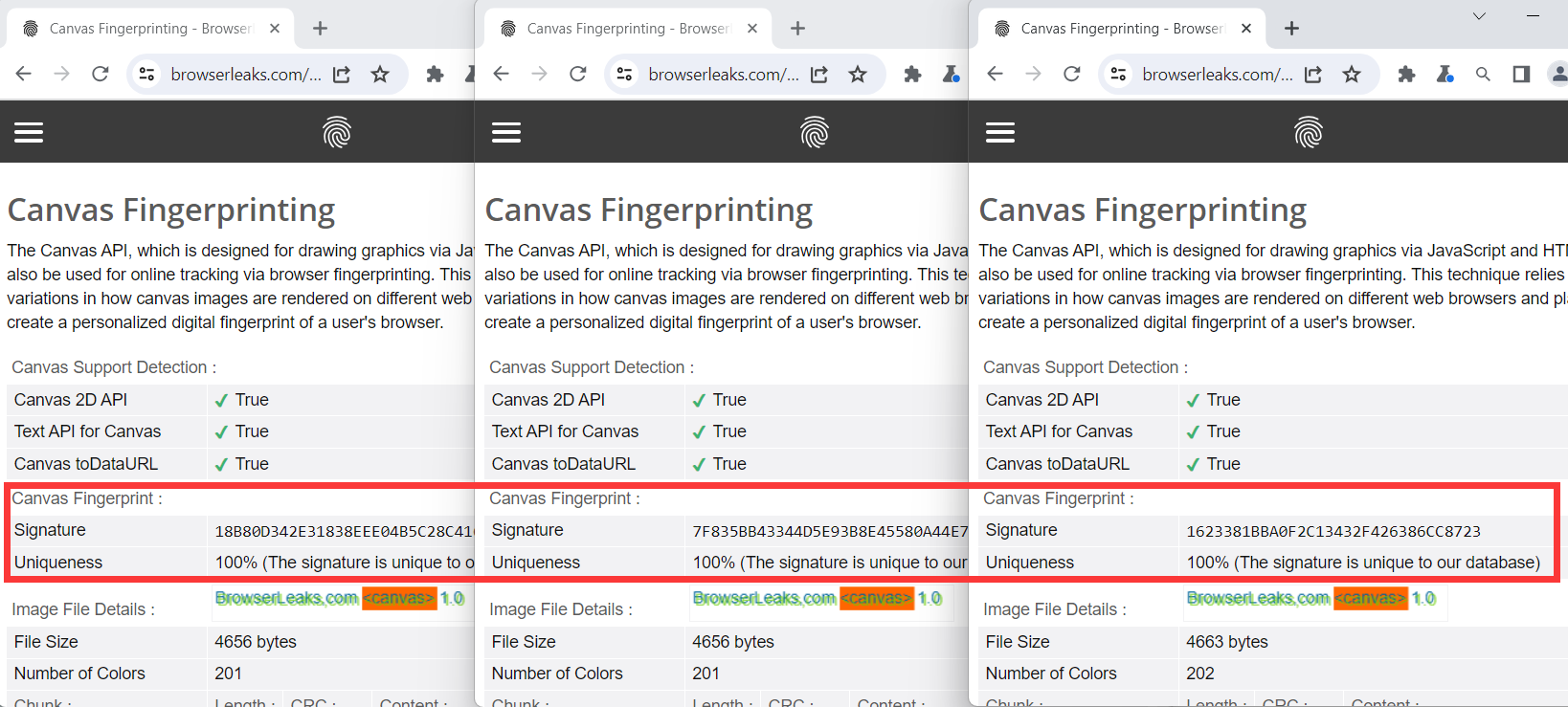
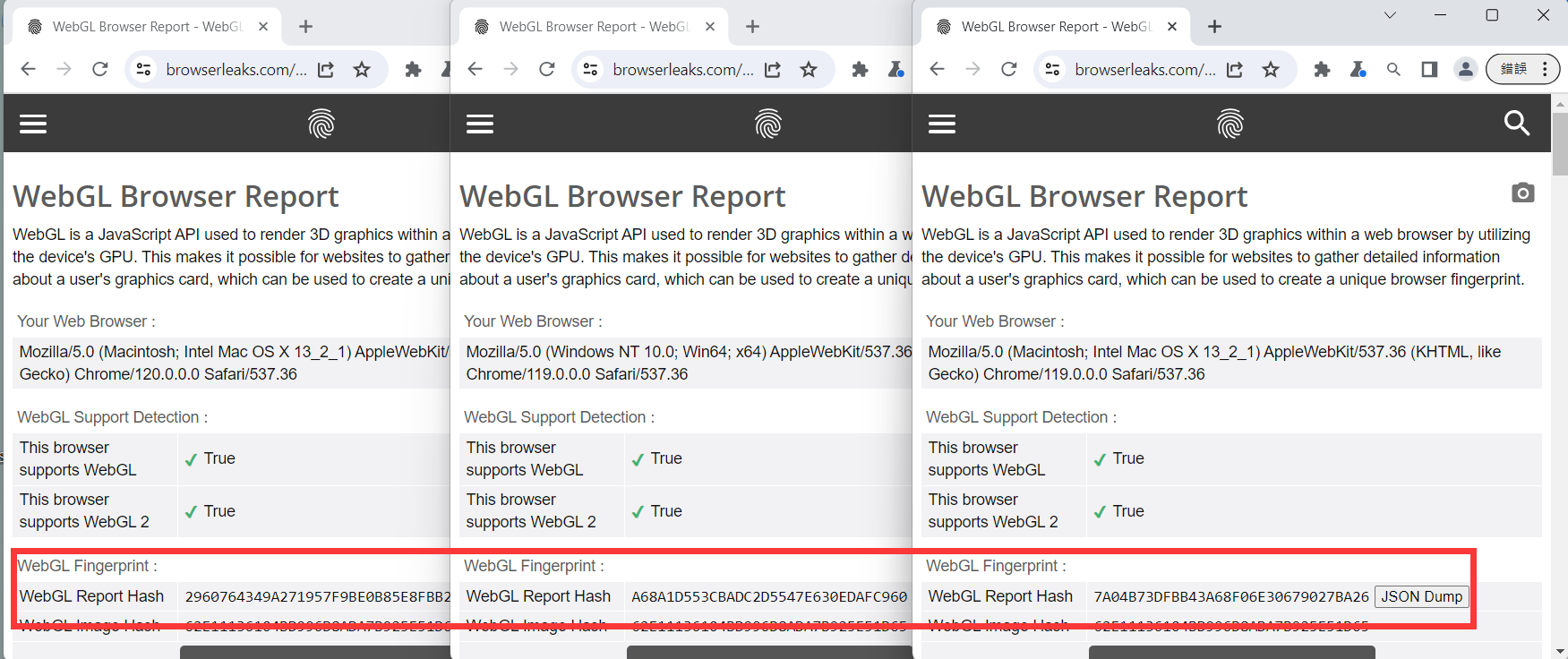
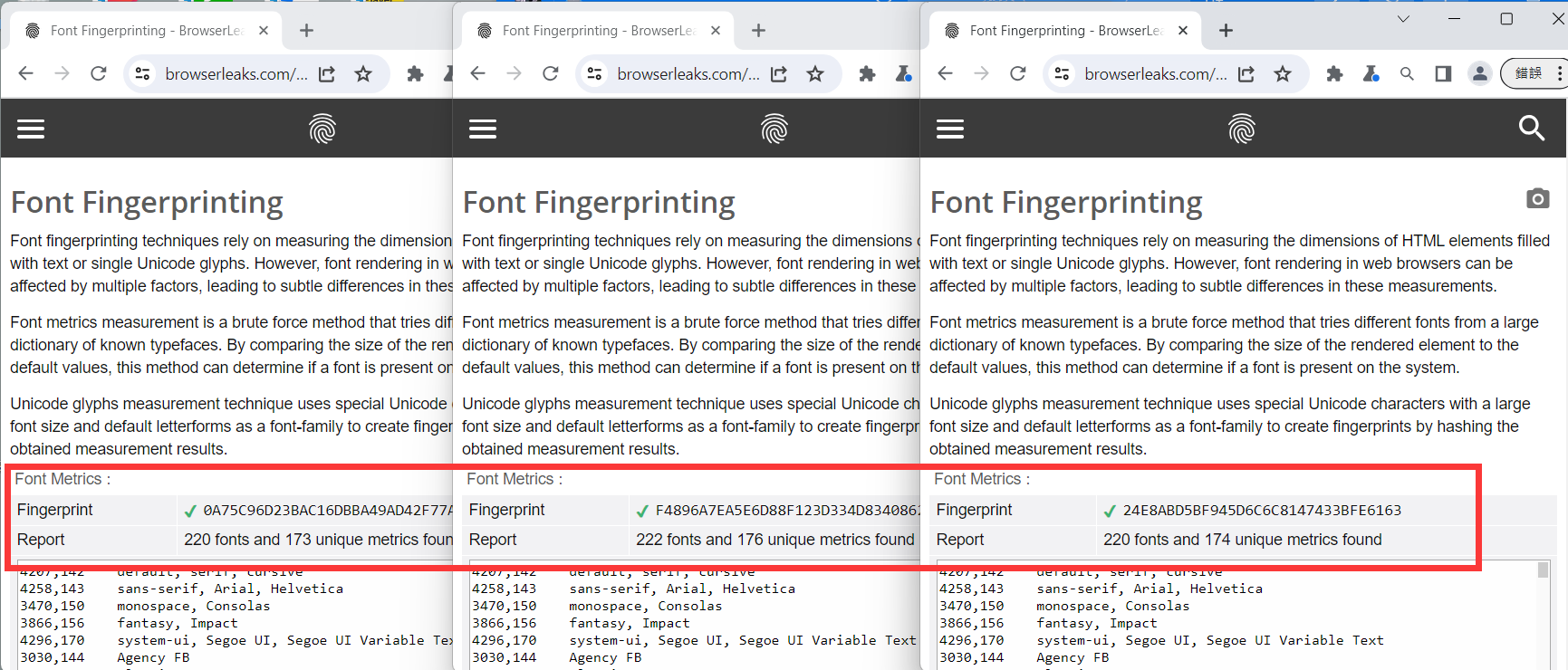
Our software approaches browser fingerprinting in a completely indigenous way. Instead of trying to prevent websites from reading your computer’s fingerprint, our software allows reading it but replaces your original fingerprint with a different one. When you use a proxy IP, our software is fully different to other software that only add a proxy to your browser to work, our software will set the timezone, language, DNS and location etc... is matched to your proxy IP, that will make you looks like a real people from the proxy IP. Our software can also generate different device fingerprint and bind different fingerprint with your accounts. Once the account is bind with proxy IP, device fingerprint and other settings, the account will use these settings all the time with all operation. That is why you can use our software to mange and operate many accounts with different proxy safely.


As CPUs grow more powerful with efficiency cores (Intel's P+E architecture, Apple's M-series), the role of companion x264 will likely expand, intelligently shunting encoding tasks to low-power cores while performance cores handle interactive work. The name may fade, but the concept – a silent, helpful encoding partner – is here to stay. This text is accurate as of the x264 r3100+ builds and common usage patterns up to 2026.
1. Introduction: What is "Companion x264"? "Companion x264" is not an official name for a specific software product, but rather a descriptive term that has emerged within video processing, streaming, and content creation communities. It refers to a secondary, background instance of the x264 video encoder running alongside a primary application (e.g., a game, a video editor, a live streaming software, or a media server).
| Feature | Standard x264 | Companion x264 | |--------|--------------|----------------| | | Normal or high | Idle / low (e.g., nice on Linux, IDLE_PRIORITY_CLASS on Windows) | | Thread usage | Aggressive (all logical cores) | Restricted (e.g., leaves 1–2 cores free for main app) | | Lookahead frames | Full (up to 250) | Reduced (e.g., 0–10) to lower latency & memory | | Rate control | 2-pass, CRF, or CBR | Often CBR or capped VBR for predictable load | | Input source | Pre-encoded file | Live frame buffer (e.g., from game or capture card) |
| Aspect | GPU Encoding (NVENC) | Companion x264 | |--------|----------------------|----------------| | | ~1–5% | 20–60% (but idle-priority) | | Quality per bitrate | Good (newer NVENC) | Excellent (can match 2x bitrate of GPU) | | Latency | Very low | Low to moderate | | Multi-instance | Limited (VRAM bottleneck) | Many (RAM-bound) | | Use case | Real-time streaming, recording | Background transcoding, high-quality archives |
Browse the latest blog posts for in-depth insights into anti-detection and online privacy. Stay up-to-date!



Submit your need here, we will check and give you reply asap.