Crumbs, coffee grounds, loose lettuce leaves, and that mysterious sludge from the bottom of a takeout container. These solids wash down with the meltwater and get stuck in the narrow drain port.
Refrigerators are dark, damp, and occasionally warm during defrost cycles. This is a paradise for mold, mildew, and bacteria. They form a thick, gelatinous slime inside the drain tube. This slime acts like a clogged artery, slowing water until it eventually stops.
I’m talking about the .
Enter the .
Your floors, your food, and your wallet will thank you. Have you ever had a "fridge flood" disaster? Drop your horror story in the comments below!
Do not use chemical drain cleaners (Drano, Liquid Plumber). They are too caustic for the rubber hoses and plastic fittings inside your fridge. Step 6: The Backside Check Pull the refrigerator away from the wall. Locate the drip pan (usually a black plastic tray near the compressor). If it is full of rancid, smelly water, slide it out, wash it with soap, and dry it. This prevents the "rotten egg" smell in your kitchen. Part 5: The "Pro-Tip" Permanent Fix If you get recurring freeze-ups in the drain tube, you need the Copper Wire Mod . This is a legendary DIY fix.
This is the sneakiest problem. If the drain tube is too close to the freezer cooling lines, the water freezes before it leaves the tube. You get a "Popsicle plug" that stops everything. You’ll have a dry drain pan and a flooded freezer.
It is a small hole (usually about a half-inch wide) located at the bottom center of the freezer compartment or at the back of the fridge section. This hole leads to a tube that snakes down the back of the appliance and empties into a drip pan near the compressor.
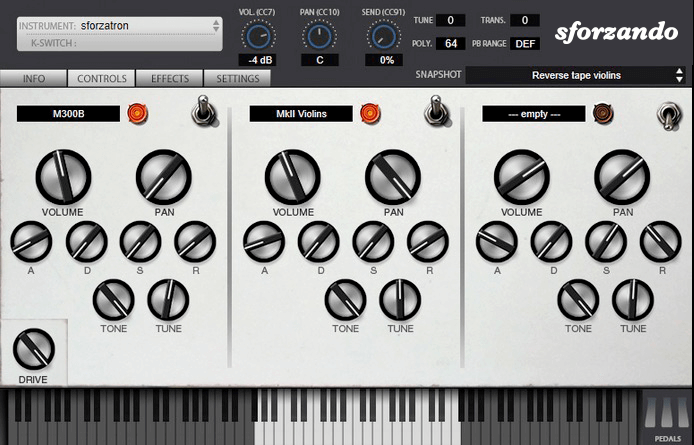
The SFZ Format is widely accepted as the open standard to define the behavior of a musical instrument from a bare set of sound recordings. Being a royalty-free format, any developer can create, use and distribute SFZ files and players for either free or commercial purposes. So when looking for flexibility and portability, SFZ is the obvious choice. That’s why it’s the default instrument file format used in the ARIA Engine.
OEM developers and sample providers are offering a range of commercial and free sound banks dedicated to sforzando. Go check them out! And watch that space often, there’s always more to come! You are a developer and want to make a product for sforzando? Contact us!
You can also drop SF2, DLS and acidized WAV files directly on the interface, and they will automatically get converted to SFZ 2.0, which you can then edit and tweak to your liking!
Download for freeInstrument BanksSupport
Crumbs, coffee grounds, loose lettuce leaves, and that mysterious sludge from the bottom of a takeout container. These solids wash down with the meltwater and get stuck in the narrow drain port.
Refrigerators are dark, damp, and occasionally warm during defrost cycles. This is a paradise for mold, mildew, and bacteria. They form a thick, gelatinous slime inside the drain tube. This slime acts like a clogged artery, slowing water until it eventually stops.
I’m talking about the .
Enter the .
Your floors, your food, and your wallet will thank you. Have you ever had a "fridge flood" disaster? Drop your horror story in the comments below! refrigerator defrost drain
Do not use chemical drain cleaners (Drano, Liquid Plumber). They are too caustic for the rubber hoses and plastic fittings inside your fridge. Step 6: The Backside Check Pull the refrigerator away from the wall. Locate the drip pan (usually a black plastic tray near the compressor). If it is full of rancid, smelly water, slide it out, wash it with soap, and dry it. This prevents the "rotten egg" smell in your kitchen. Part 5: The "Pro-Tip" Permanent Fix If you get recurring freeze-ups in the drain tube, you need the Copper Wire Mod . This is a legendary DIY fix.
This is the sneakiest problem. If the drain tube is too close to the freezer cooling lines, the water freezes before it leaves the tube. You get a "Popsicle plug" that stops everything. You’ll have a dry drain pan and a flooded freezer. Crumbs, coffee grounds, loose lettuce leaves, and that
It is a small hole (usually about a half-inch wide) located at the bottom center of the freezer compartment or at the back of the fridge section. This hole leads to a tube that snakes down the back of the appliance and empties into a drip pan near the compressor.