A password reset link was sent to your email Follow the instructions in the email to reset your password.
Didn't receive the email?
Check the spam folder. If there is no e-mail there,
click here
to resend it.
18+
Warning!
The website sekss.lv contains erotic and sexual materials. By continuing to use this site, you represent that you are at least 18 years old and agree to the site terms of use
The adult entertainment industry has come a long way in the last 20 years. Previously, you had to deal with rented videocassettes or magazines, which you had to ask the seller behind the counter. Horror! Nowadays, we can stream and download anything we want, usually for free and in HD format. Let's see what are the best apps for adults.
Brave browser
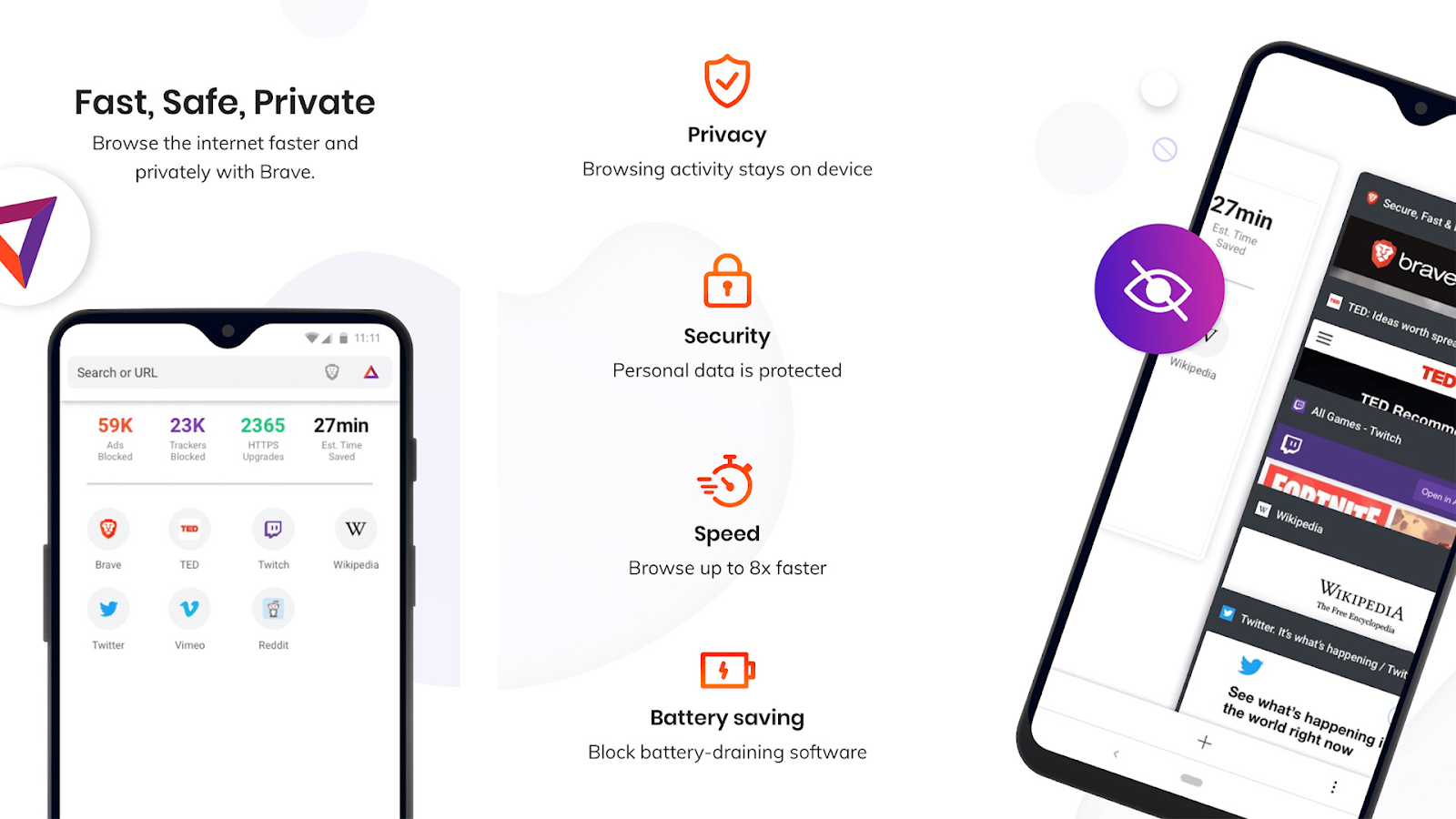
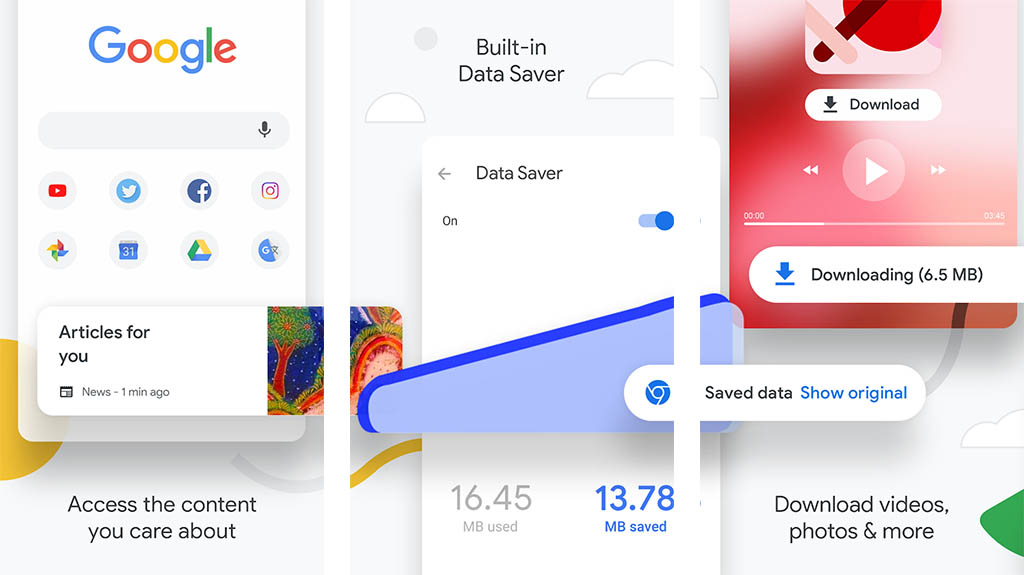
Okay, Brave isn't a pornographic app, but it's a particularly secure and private web browser. It includes most common options, including ad and tracker blocking, private search, incognito mode, HTTPS Everywhere , script blocking, third-party cookie blocking, and more. When looking for different "intimate materials", it is good to have a secure browser in which to do so. In addition, it is available free of charge.
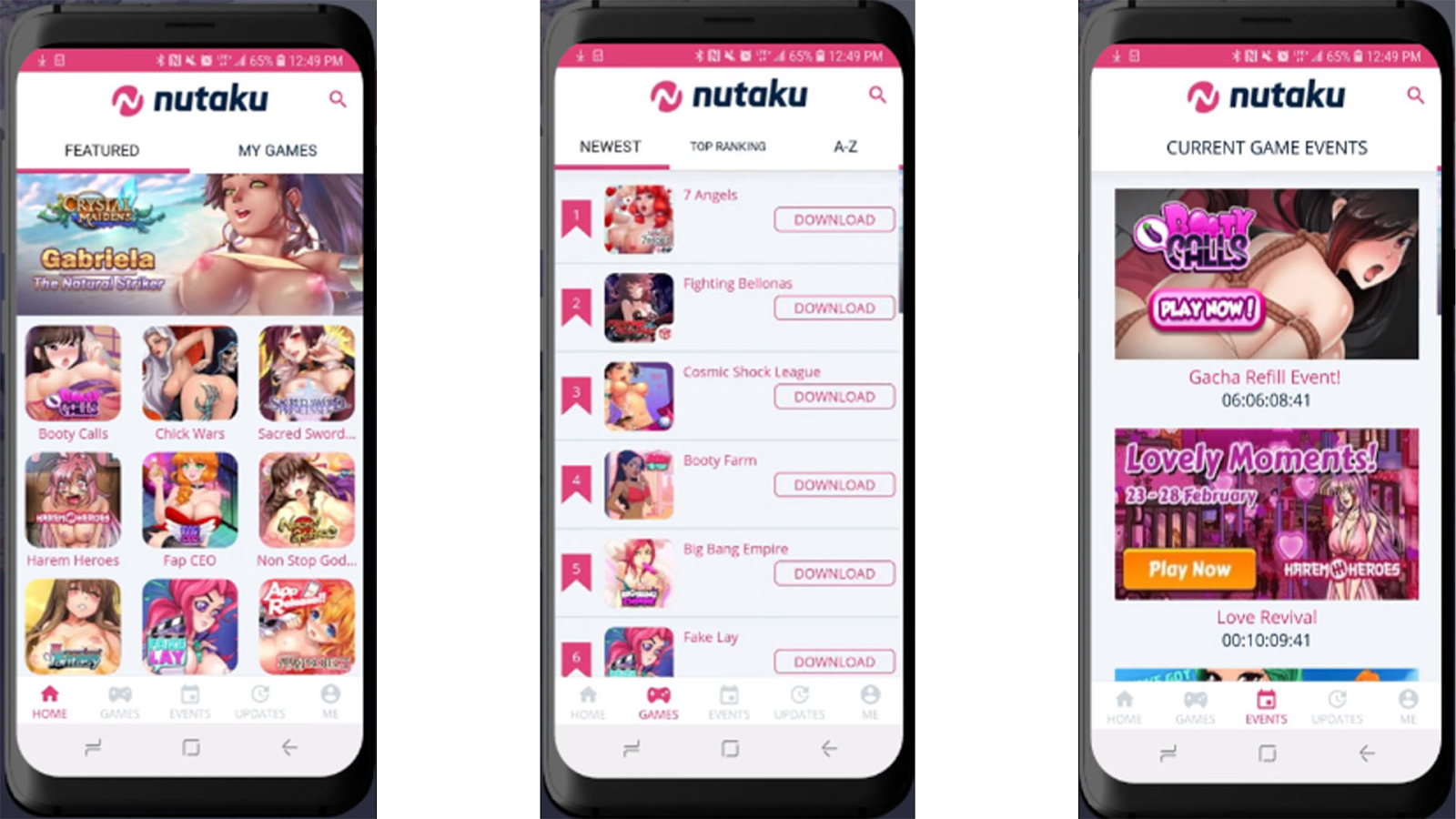
Nutaku is very similar to MiKandi (see list below). This is a special app store for adult content only. You can find various porn games as well as other content. Simply download and install the app and then use it to install other apps. It works similarly to the Google Play Store. This is mainly for games, and almost everything in it is animated. However, the app store itself is free to download and browse.
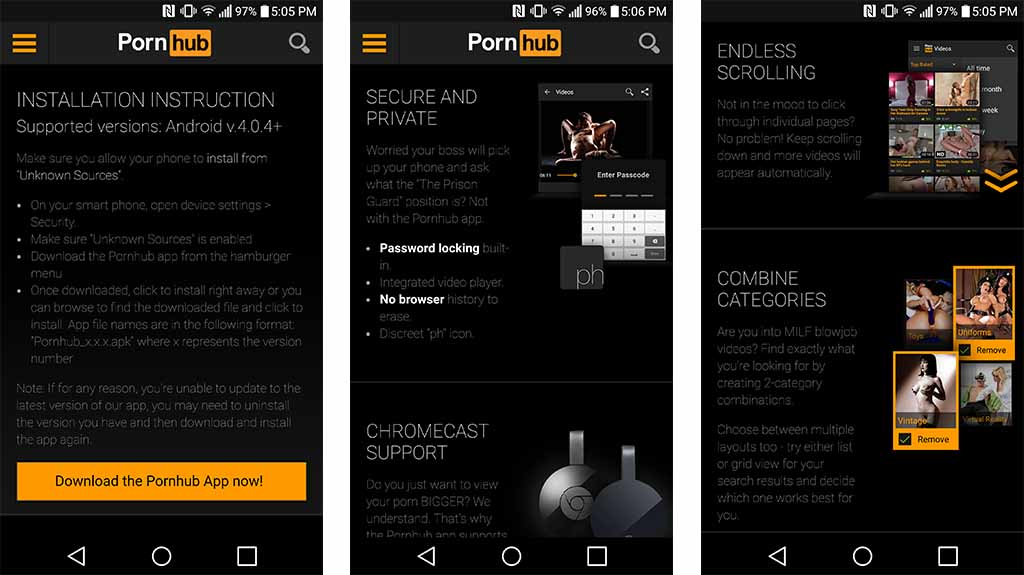
Pornhub is a monster in the industry. It represents a collection of pornographic sites ranging from RedTube to Tube8 and even YouPorn. With such a large content library, you can be sure the app will be great. Here you can watch multiple categories at once and even have Chromecast support so you can watch content on your TV. Most sites under the Pornhub banner have their own pornography apps. It is worth exploring any of them.
By the way, you can now access all Pornhub Premium content for free during the one-week trial period. Use the link below to watch full HD content from Brazzers, Naughty America, Nubile Films and more.
MiKandi is an app store that specializes in adult content. It has HD videos, comics, live cameras, adult apps and games. If you want, you can find cartoons and hentai or live content. It also has a small selection of VR and Google Cardboard content. This is probably the best app store for pornographic apps and games.
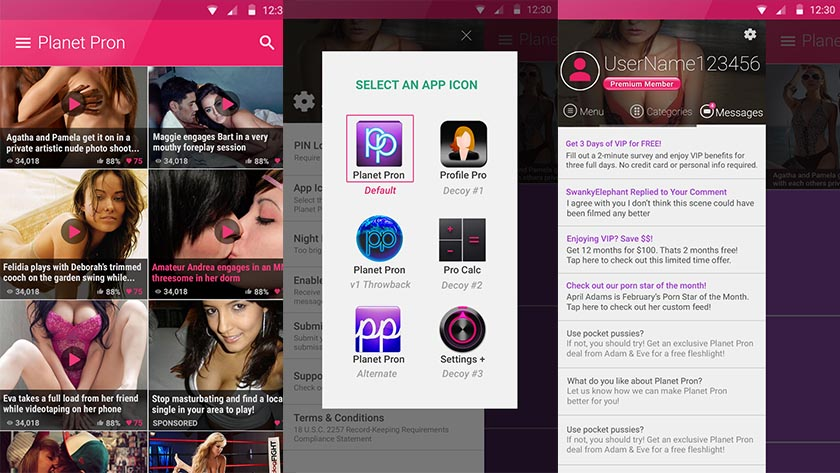
Planet Pron is a high-end porn app with lots of good content. It boasts more than 200,000 videos and images, adding to this list every day. You can also download videos for offline viewing, and it even provides a personalized stream of pornography based on the content you viewed above. The free version offers SD streaming, while the Pro version provides a full HD experience. It is a proper, comprehensive application.
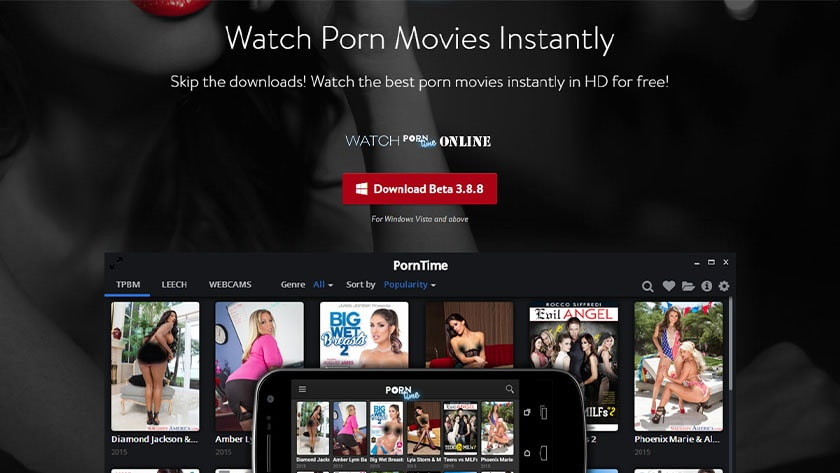
PornTime is an adult movie streaming app that searches for adult movies across the web and streams them in one place. It boasts a decent catalog, great streaming quality and no limits. Those looking for something quick and naughty should probably look elsewhere, as this will be more suitable for those who want to sit on the couch and go into that experience. You will find a link to the app on the official website.
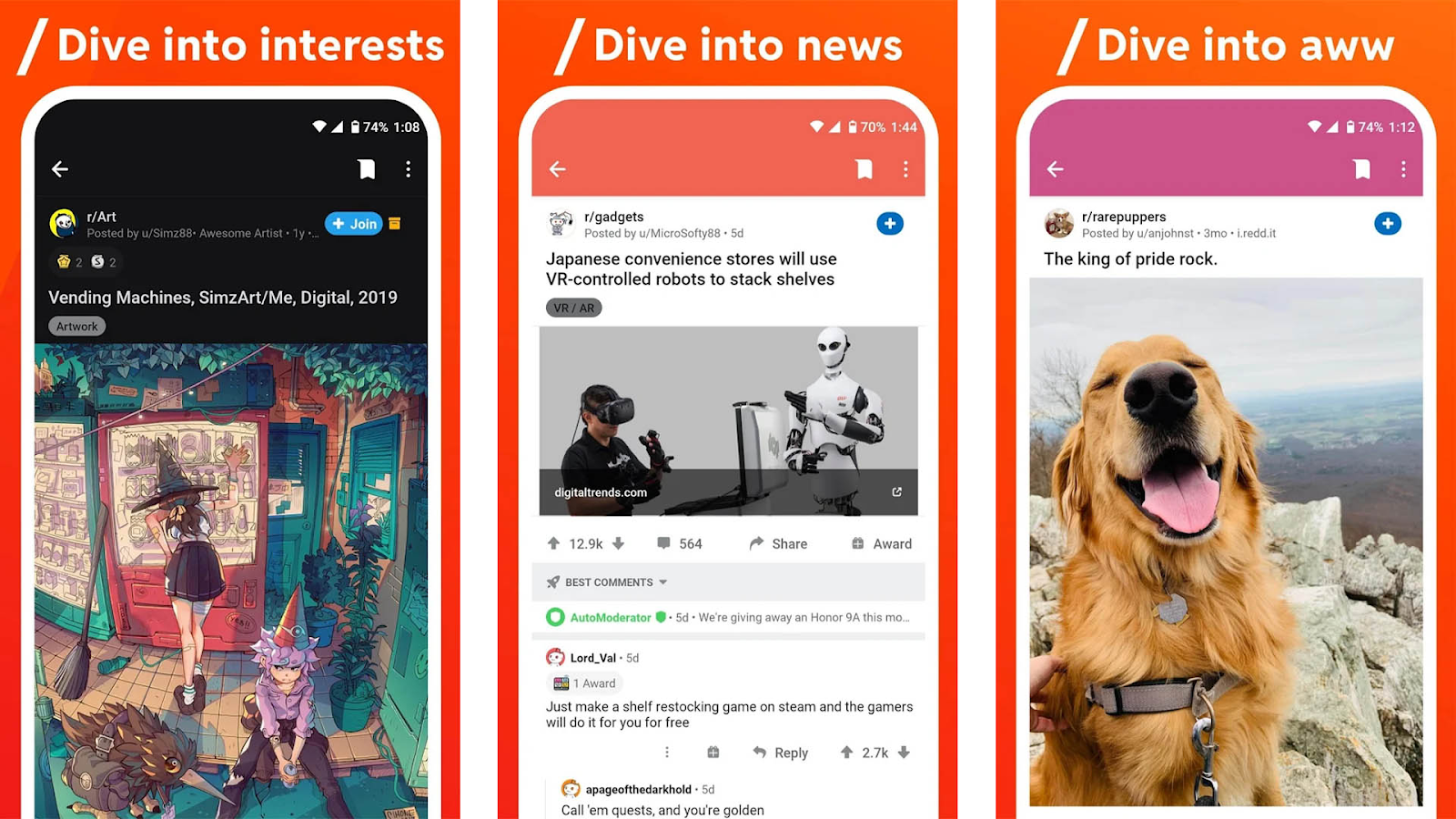
Reddit is a surprisingly good place to find good content for adults. Here you can follow different NSFW content. Here you will find almost everything you like. Most content is in image, GIF or video format.
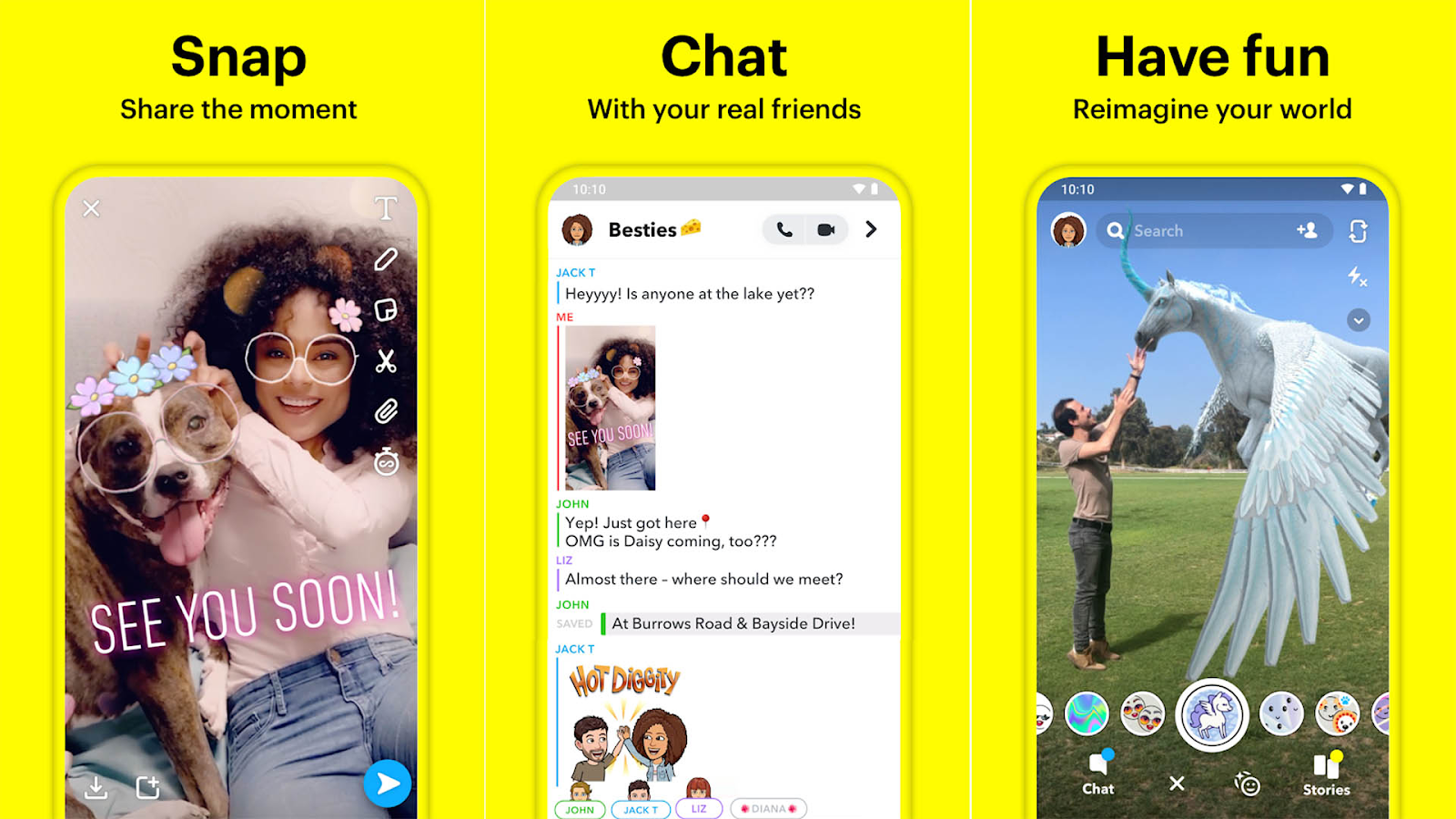
More adult content is available on social networks than ever before. Snapchat and Instagram in particular, and Twitter also have some adult-only profiles. They are not easy to find. However, several times a day you will receive fresh, personal content from people who like to show off their bodies. To keep track of profiles, you may need to search for them on Google.
Your web browser
Undoubtedly, the most popular method of browsing pornography is a web browser. We strongly recommend watching content in incognito mode so that it doesn't save your viewing history. In any case, you already know most of the popular sites and probably some that not so many people know about. In incognito mode, everything is mostly kept private because it deletes view history.
The Godfather Trilogy: 1901-1980 _verified_ Now
Vito’s answer: everything but family. Michael’s answer: everything including family. The audience’s answer: our innocence, watching. From 1901 to 1980, the Corleone saga is an opera— Cavalleria Rusticana with tommy guns. Vito’s theme is pastoral, warm, minor-key dignity. Michael’s theme is a dirge that collapses into silence. The trilogy’s final shot is not a man, but a door closing.
In Part II —which moves backward to Vito’s rise and forward to Michael’s collapse—we watch the inheritance curdle. Michael orders the murder of his own brother, Fredo, for a betrayal born of weakness, not malice. He destroys Hyman Roth, the Jewish gangster who once laughed with him in Havana. He alienates his wife, Kay, who aborts their son rather than bear another Corleone. the godfather trilogy: 1901-1980
Fin.
Michael confesses to a cardinal, to God, to a man who offers him absolution. But confession without sacrifice is theater. In the end, Michael Corleone cannot repent because he cannot give up power. Vito’s answer: everything but family
Michael Corleone does not die then. That would be mercy. An old man in a Sicilian courtyard. White hair. Sunglasses. He slumps in a chair, alone. A dog barks. A young priest passes. Michael takes off the glasses. His eyes are hollow. He thinks of Apollonia. Of Fredo. Of his father’s garden. Of Kay’s face the day she told him she had aborted their son. Of Mary. From 1901 to 1980, the Corleone saga is
By the 1920s, he has learned a brutal truth: the law belongs to the strong, and mercy is a weapon. He kills the local padrone, Fanucci, not for glory but for survival—and in that single act, he becomes a don. His empire grows from groceries and friendship. He rules not through fear alone, but through respect, reciprocity, and a terrifying paternal sense of justice. “I work my whole life—I don’t apologize—to take care of my family.”